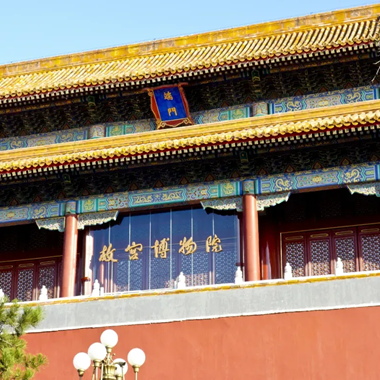
The Upright Gate
Introduction
The Upright Gate, known in Chinese as "Duanmen", is a prominent structure situated along the historic Beijing Central Axis. This iconic gate is part of a series of architectural and cultural landmarks that dot the Central Axis, an important urban feature stretching 7.8 kilometers through the heart of Beijing. The Upright Gate serves as a key transition point on this Axis, positioned between the Forbidden City and the Tian'anmen Gate, marking an area of significant historical and cultural resonance. Recognized as an integral component of Beijing's historic city plan, the Upright Gate embodies the architectural elegance and urban planning genius of ancient Chinese civilization. Its presence is not merely architectural but also cultural, as it plays an important role in the reflection of China's imperial past and its enduring influence on the cityscape of Beijing.
Historical Background
The Upright Gate is deeply rooted in the historical development of Beijing, which dates back to the 13th century. The construction of the Beijing Central Axis, including the Upright Gate, began in this era and was refined over the subsequent centuries, particularly between the 14th and 16th centuries during the Ming Dynasty (1368-1644). This period was marked by significant urban development and the consolidation of Beijing as the political and ceremonial heart of China. The Upright Gate itself was constructed as part of the grand design of the Ming Dynasty, which aimed to create a city layout symbolizing imperial authority and cosmic order, drawing on ancient Chinese principles of geomancy and city planning. Over the centuries, the gate has witnessed and withstood various historical events, including the transition of dynasties and the modernization of Beijing, maintaining its status as a historical monument and a symbol of China's rich cultural heritage.
Architectural Design
Structure and Materials
The architectural design of the Upright Gate reflects the traditional Chinese style, characterized by its imposing structure and intricate details. The gate is constructed primarily of wood and grey bricks, materials commonly used in Chinese architecture for their durability and aesthetic appeal. The structure stands on a raised white marble platform, adding to its grandeur. The roof of the Upright Gate is covered with glazed tiles, featuring the iconic blue-green color that signifies imperial majesty. The design of the gate is symmetrical, with a central passageway flanked by smaller side gates, allowing for the controlled flow of people and ceremonial processions. The structure is supported by strong wooden beams and pillars, which are intricately carved with traditional Chinese motifs and patterns, illustrating the craftsmanship and artistic sensibilities of the era.
Artistic Elements
The artistic elements of the Upright Gate are a testament to the high level of artistry and attention to detail characteristic of Chinese imperial architecture. The gate is adorned with decorative features such as elaborate carvings and painted murals that depict scenes from Chinese mythology and history. These artistic elements serve not only as ornamentation but also as narrative devices that convey the cultural and philosophical ideals of the time. The use of color is particularly significant, with red symbolizing prosperity and good fortune, and gold representing supreme authority. The intricate latticework and calligraphic inscriptions found on the gate further enhance its aesthetic appeal, showcasing the integration of visual art with structural design in traditional Chinese architecture.
Cultural Significance
Symbolism
The Upright Gate holds profound symbolic significance within Chinese culture, serving as an emblem of imperial power and a reflection of the cosmic order as envisioned by ancient Chinese philosophy. Its position along the Beijing Central Axis aligns with the principles of Feng Shui, which emphasize harmony with the natural world and the universe. As a gateway to the Forbidden City, the Upright Gate symbolizes the transition from the mundane to the sacred, marking the threshold between the outer world and the inner sanctum of imperial authority. This symbolism is further underscored by the gate's architectural features, which embody the Confucian ideals of order, balance, and hierarchy, essential elements in the governance and cultural life of ancient China.
Influence on Local Traditions
The Upright Gate has significantly influenced local traditions and cultural practices in Beijing and beyond. As part of the ceremonial route along the Beijing Central Axis, it has been the backdrop for numerous historical events and traditional ceremonies, reinforcing its role in the cultural memory of the nation. The gate's design and symbolism have inspired local architecture, influencing the construction of gates and other structures in Chinese cities that seek to emulate the grandeur and authority of Beijing's central landmarks. Furthermore, the Upright Gate continues to be a focal point for cultural celebrations and public gatherings, highlighting its enduring presence in the cultural landscape of modern Beijing.
Preservation and Restoration
The preservation and restoration of the Upright Gate have been priority concerns as part of the broader efforts to maintain the integrity of the Beijing Central Axis. Recognizing its historical and cultural value, preservation projects have focused on maintaining the structural stability and aesthetic quality of the gate. These efforts include meticulous restoration work using traditional materials and techniques, ensuring that the gate retains its authentic character while being preserved for future generations. Conservation initiatives also involve comprehensive documentation and research to enhance the understanding of the gate's historical context and significance. Public awareness and engagement in preservation activities are encouraged, promoting the Upright Gate as a cultural heritage site that is vital to the identity and legacy of Beijing.
The Upright Gate in Modern Culture
In modern culture, the Upright Gate continues to hold a place of prominence, symbolizing the rich history and cultural depth of Beijing. As a key landmark on the UNESCO World Heritage-listed Beijing Central Axis, the gate attracts visitors from around the world, serving as a bridge between the past and the present. It is featured in numerous cultural representations, including films, literature, and art, reflecting its iconic status in Chinese culture. The gate also plays a role in contemporary urban planning discussions, as its historical and cultural significance provides valuable lessons for sustainable development and heritage conservation. Through educational programs and cultural exchanges, the Upright Gate remains a vital component of Beijing's cultural identity, contributing to the city's dynamic interplay between tradition and modernity.








